With the Gulf Coast along our eastern edge, hurricanes in Texas can bring strong winds, heavy rain, and serious property damage that leave homeowners struggling to recover. In these moments, many hurricane victims turn to their homeowners’ insurance policy for help, expecting it to cover the replacement cost of repairs and lost personal property.
Unfortunately, not every insurance company handles hurricane homeowner claims fairly. Some delay inspections, lower the value of the damage, or deny valid hurricane-related claims altogether in an effort to limit payouts. These bad faith tactics can leave homeowners with no clear path forward. If this has happened to you, working with an experienced hurricane damage claims lawyer is important.
Whether your claim was denied, undervalued, or ignored, we can help. Our insurance lawyers at Millin & Millin Attorneys have a proven track record of handling bad faith cases to help property owners get just compensation for property damage. If your insurance company refuses to pay what they owe for your hurricane claim, we can help you fight for whatever you’re owed.
Hurricane winds can tear off shingles, damage roofs, and break windows. These losses are usually covered under standard homeowners insurance policies.
Strong winds can weaken walls, frames, or foundations. Coverage for major structural repairs often depends on your policy’s specific terms.
High winds can strip away shingles or tear sections of your roof, and while repairs are often covered, your insurer may blame the damage on normal wear and tear.
Hurricanes can trigger electrical surges that destroy appliances and electronics. Some insurance policies offer coverage for these losses under personal property protection.
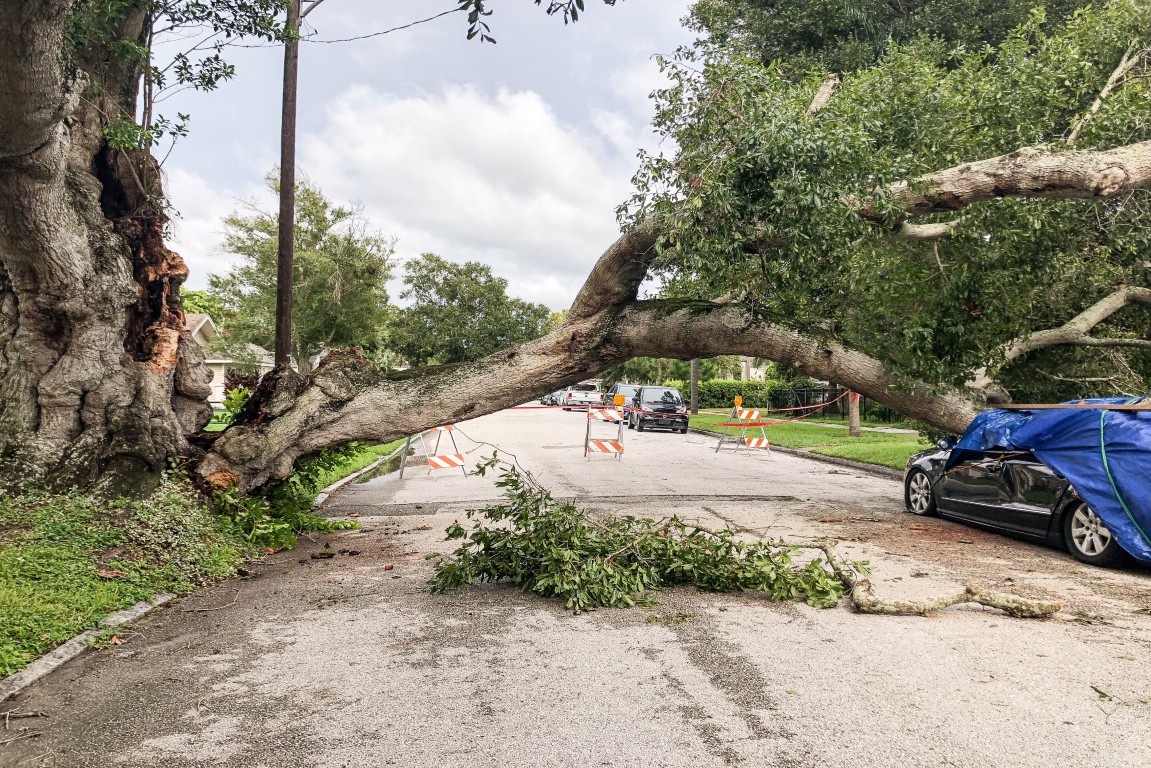
Strong winds can knock trees onto homes, fences, or vehicles. Whether this is covered depends on how your insurance company defines storm-related damage.
Flying or scattered debris can break windows, damage siding, or puncture roofs. These damages are often included in hurricane-related property insurance claims.
Hurricane destruction can lead to secondary damage in the days and weeks following. Mold damage from hurricanes is typically covered by insurance policies.
Hurricanes often cause broken windows and window damage due to strong winds, flying debris, and fallen trees. This damage may be covered.
Hurricanes can leave homes severely damaged or totally destroyed. If you need temporary housing, you may be able to claim those expenses.
Many hurricane victims file insurance claims expecting fair compensation for their losses. While some claims go smoothly, others can become stressful when insurers refuse to cooperate or act in bad faith.
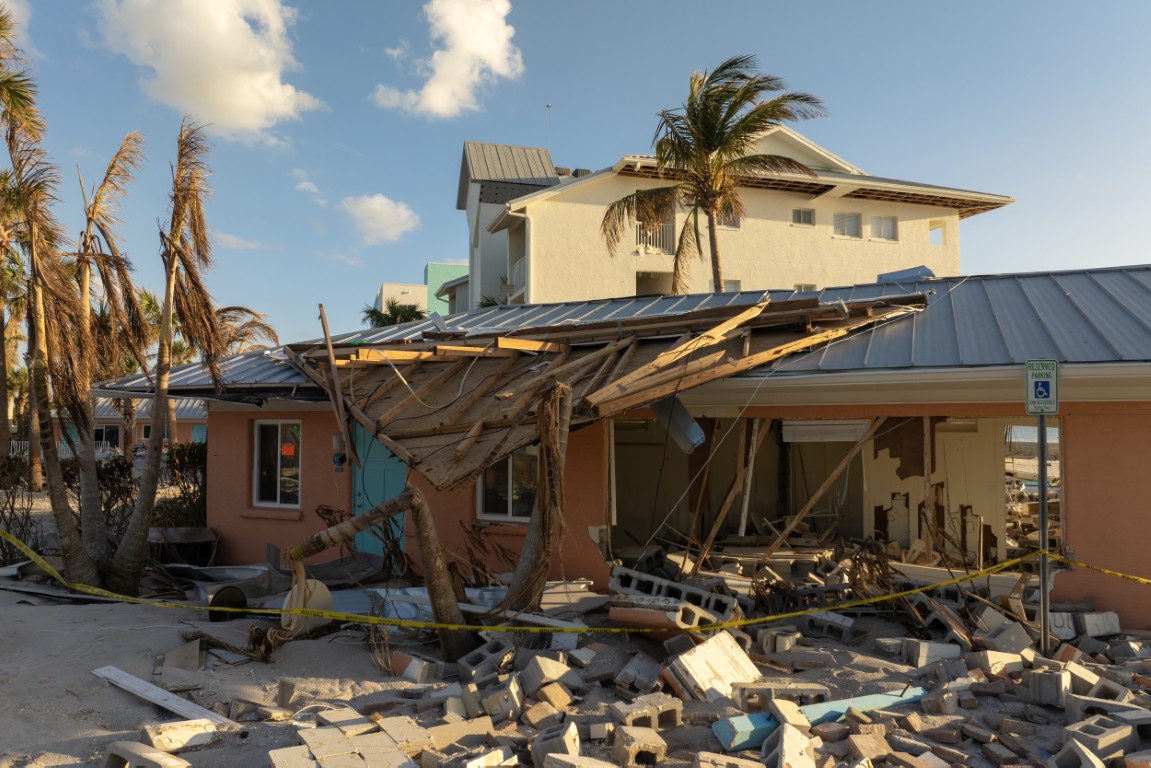
You should contact a hurricane insurance lawyer if your insurance adjuster has wrongfully delayed, denied, or underpaid your valid claim. Legal help may also be necessary if your insurer misrepresented your policy limits, ignored clear evidence of hurricane damage, or failed to properly investigate your case. Even when your losses are covered under your policy, insurance companies sometimes use tactics to avoid full payment.

An experienced Texas hurricane damage lawyer can handle the entire bad faith claims process on your behalf. This includes managing communication with your insurance carrier, gathering expert reports, documenting repair costs, and negotiating for the full compensation you may deserve. While insurance companies have their legal teams protecting their interests, you’ll have us on your side, fighting for your home protection during the hurricane season.
Wrongful Rejection
Your valid hurricane damage claim may be denied without a fair reason. This kind of refusal often means bad faith behavior by the insurance company.
Holding Up Claims
Some insurance companies intentionally slow down the claims process after a hurricane, leaving homeowners waiting for help when they need it the most.
Low-Balling Claims
Insurance companies may underestimate the cost of hurricane repairs, offering far less than what is needed to restore your home.
Misleading Policyholders
If your insurer provides false or confusing information about your coverage limits, they may be avoiding their legal responsibility under your policy.
Failure to Investigate
Insurers are expected to review your hurricane damage claims thoroughly. Refusing to inspect or ignoring key evidence may indicate bad faith.