Tornadoes and severe storms can strike without warning, leaving behind significant damage to roofs, interiors, and serious property damage. In the aftermath, homeowners expect their insurance coverage to provide relief, not more stress. However, some insurers fail to fulfill their promises, intentionally dragging their feet, reducing payouts, or denying valid property insurance claims altogether.
When this happens, having a trusted Texas insurance lawyer from a dedicated insurance litigation firm becomes important. An experienced Texas tornado damage attorney can step in to challenge bad faith practices, demand fair compensation, and make sure your recovery isn’t left at the mercy of the insurer. At Millin & Millin Attorneys, we stand with homeowners and property owners, holding insurance companies accountable and helping victims rebuild with confidence.
Tornado winds can rip through neighborhoods, tearing off roofs. These losses are typically covered under most Texas homeowners’ insurance policies.
Tornado forces can crack walls or collapse entire sections of a home. Policy coverage limits and exclusions often determine how much of this damage is covered.
When rain enters through roof or wall openings caused by tornado winds, it can lead to serious water damage and mold. Most home insurance policies cover this damage.
Flooding from rising water or storm surge is typically not included in a standard home policy. Homeowners must carry a special flood insurance policy to be protected.
Tornadoes can bring destructive hail that dents siding and ruins shingles. While many policies include hail protection, insurers sometimes dispute the extent of the loss.
Tornadoes can tear off shingles or completely destroy whole roofs. If your roof was damaged by a tornado, insurance may cover it.
Lightning or sudden electrical surges during a storm can ruin appliances and wiring. Some policies provide limited coverage for this type of storm-related loss.
Trees or branches knocked off by tornado winds can crush roofs, fences, or vehicles. Whether it’s covered depends on the cause and the terms of your policy.
After a tornado, removing fallen trees, wreckage, and other debris can be costly. Some insurance plans include some reimbursement for cleanup and disposal.
Secondary damage that occurs later but is also caused by a tornado should typically be covered by your home insurance policy. Mold damage is a common type.
Broken and damaged windows are a common result of tornadoes, frequently struck by flying debris and fallen trees. This damage is typically covered.
From significant damage to total destruction, tornadoes often leave homes uninhabitable. Temporary housing expenses may be covered.
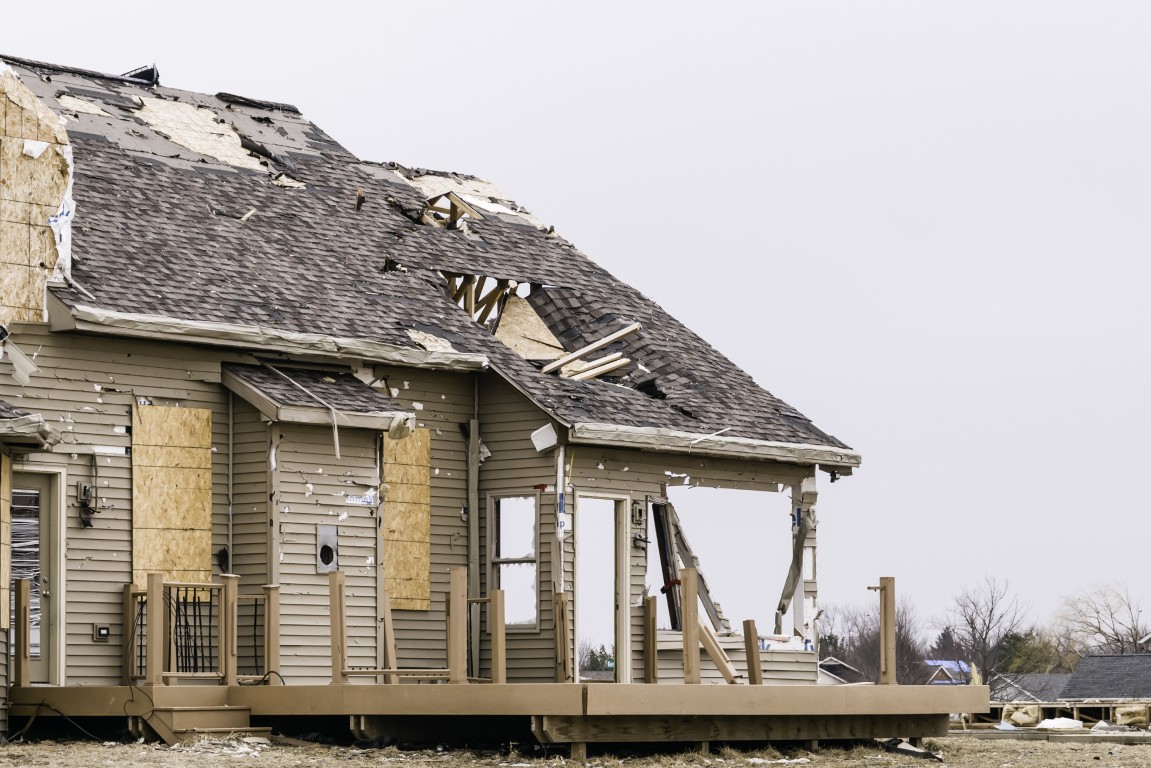
You may need a tornado damage lawyer when your insurance company fails to act in good faith. This includes situations where adjusters undervalue your valid property damage claim, ignore clear evidence of loss, or twist policy language to limit what they owe. Some insurance providers also misrepresent coverage or delay payments until homeowners give up on pursuing compensation. These tactics can leave you paying out of pocket for damage that should have been covered.

A qualified Texas tornado damage attorney can take over your claim process from start to finish. They can gather accurate repair estimates, manage inspections, and communicate directly with the insurer to demand fair payment. Whether you’re dealing with wind destruction, roof damage, or interior water damage, your lawyer makes sure that your rights are protected and your recovery stays on track. At Millin & Millin Attorneys, we stand up to insurance companies that put profits before people.
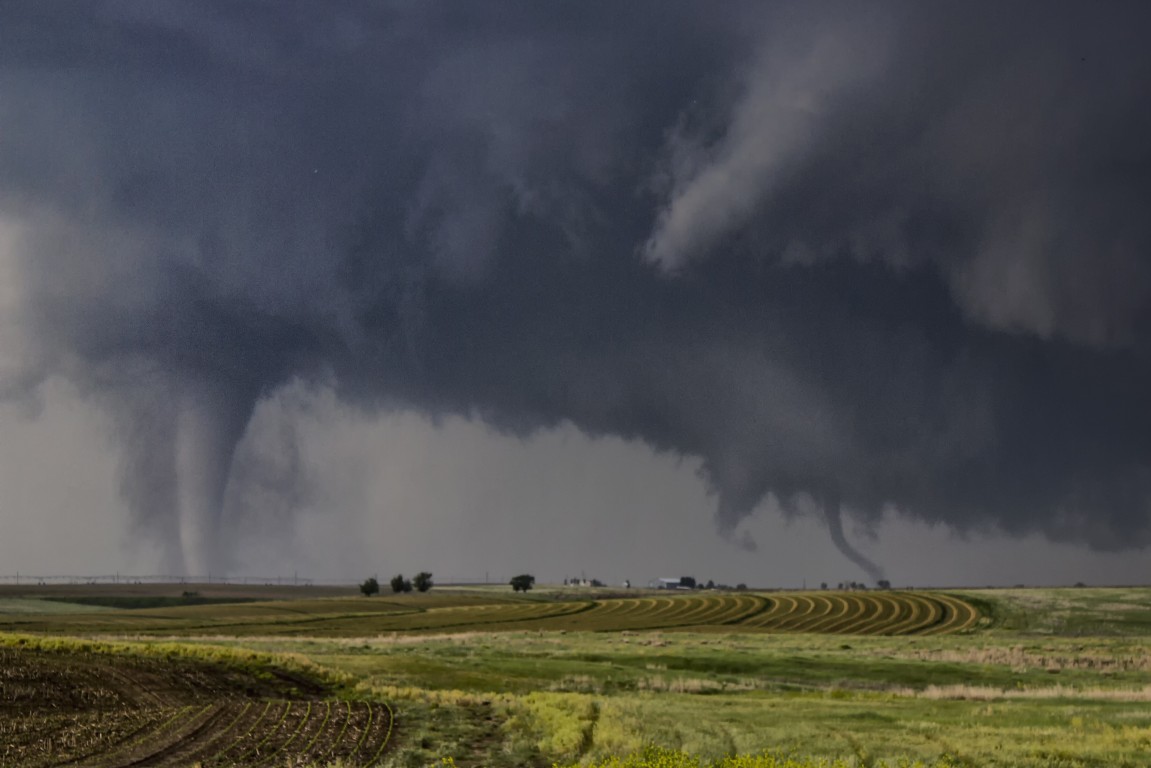
Wrongful Rejection
Sometimes, insurance companies deny valid tornado damage claims without proper cause or explanation. This behavior often constitutes bad faith.
Holding Up Claims
An insurance company may drag out your claim for weeks or months, hoping you’ll settle for less or give up altogether.
Low-Balling Claims
It’s not uncommon for insurers to reduce payouts, estimating repairs far below the real cost. This leaves homeowners struggling to rebuild with inadequate funds.
Misleading Policyholders
Your insurer may avoid paying what you deserve by giving false or confusing information about what your policy covers.
Failure to Investigate
Insurance companies are obligated to fully review each claim. When they miss or disregard evidence of tornado damage, it’s a clear sign of bad faith.

Our tornado damage lawyers can help you stand up to uncooperative insurers.
With a proven track record of successful claims, our legal team knows how to handle denied, delayed, and undervalued insurance claims. With over 50 years of combined experience, we help you fight for whatever tornado damage compensation you may be owed.